How classic spectacle survives in an era of social media, reviews and GPS.
It survived everything
The roadside attraction has survived radio, television, the Interstate, cheap air travel, Google Maps and the smartphone. Underestimating it now seems unwise.
What changed is the transaction. The old attraction had to seize a passing motorist. The modern one can become the reason for the trip before the car leaves home.
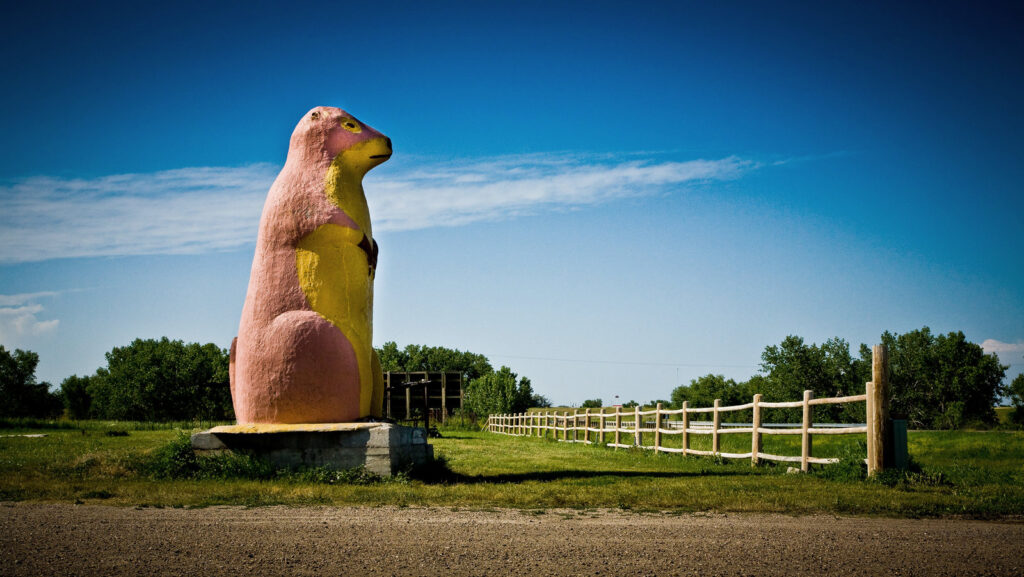
The camera became distribution
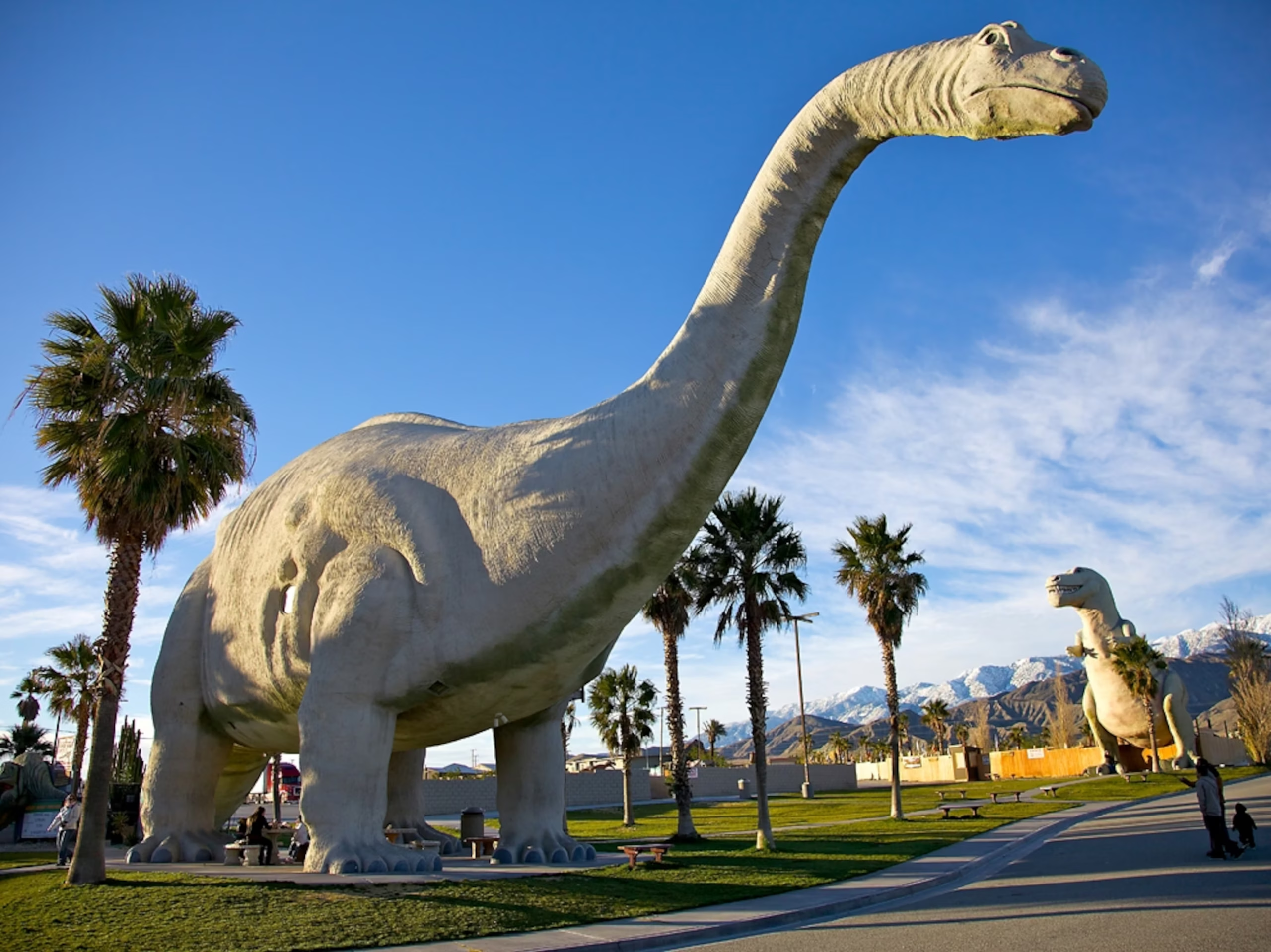
A giant object, strange museum or improbable building now produces its own advertising every time somebody posts it. That rewards visual distinctiveness—the exact quality roadside entrepreneurs were already engineering a century ago.
In that sense social media did not reinvent roadside America. It restored an advantage the Interstate had weakened: weirdness can once again reach people who are nowhere near the road.
What separates a good attraction from content bait
The best roadside attractions have a relationship with place. They may be old commercial architecture, a local industry turned into a museum, a folk-art project or a joke that lasted long enough to become history.
The weakest are interchangeable photo sets. If the attraction could be moved to another state without losing meaning, it is probably not why USA By Road sent you there.
Do not romanticise the old road too quickly
Old roads are easy to sentimentalise because the surviving neon is prettier than a modern interchange sign. But the older system had its own congestion, danger, noise and commercial excess. Bypasses were built because through-traffic could make town centres miserable; standardisation succeeded because travellers often valued reliability.
The interesting comparison around photo stops and novelty architecture is therefore not old good, new bad. It is what each system optimised. The old road maximised contact. The modern highway maximises movement. A road trip becomes richer when you deliberately move between the two.
What changed when the driver stopped choosing at the roadside
A great deal of old-road architecture exists because decisions once happened late. Drivers saw a sign, assessed a building and chose whether to turn in. Today many of those choices happen on a phone before the property is visible.
That shift helps explain the visual difference between photo stops and newer development around novelty architecture. The old road shouted. The digital road whispers directions into the cabin. One built landmarks; the other builds search results.
Primary sources and live trip checks
Road status, access, fees, reservation systems and operating conditions can change. Recheck the responsible road authority, park service or operator immediately before travel.